
Stone Roofs Kept Sound for Generations
Slate Roofing in the Twin Cities for Cracked, Broken, or Missing Slates on Older Homes
Many early twentieth-century homes in older Twin Cities neighborhoods were built with natural slate roofs, steep pitches, and copper or galvanized flashing that is now reaching the end of its life. Barnhouse Exteriors installs, repairs, and replaces slate roofs on historic and traditional homes, along with new installations where the framing can carry the weight. You will notice the difference when slipped and broken slates are replaced and the roof shows unbroken, even courses again.
Repair work starts with a slate roof inspection and damage assessment that identifies cracked, broken, or missing pieces and failing flashing. New installations begin with a structural evaluation, since natural slate weighs several times more than asphalt shingles and the rafters and deck must support it.
Arrange a free slate roof inspection to find out which slates and flashings need attention.
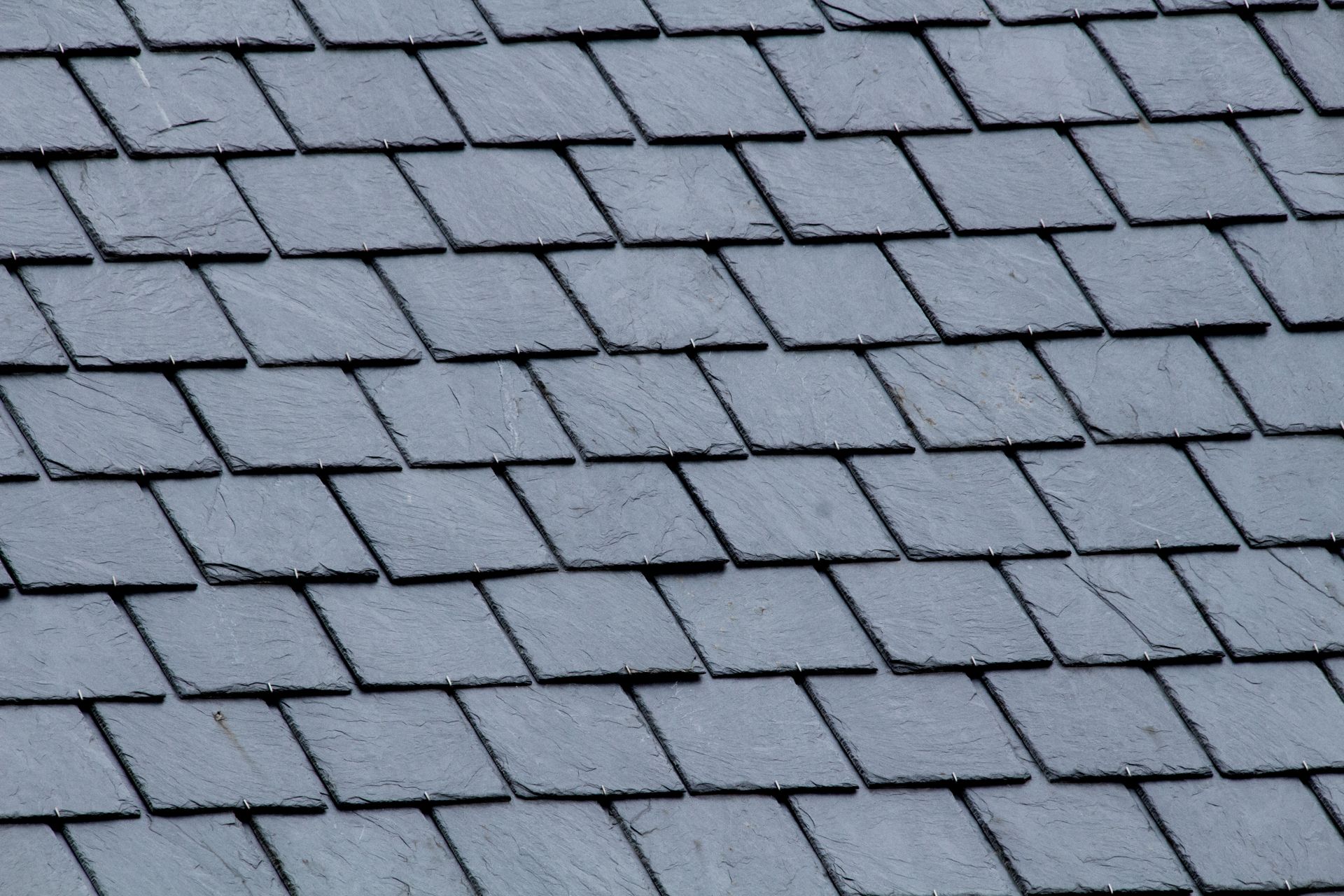
What You Notice Once Slate Work Is Finished
Individual slates are replaced using a slate ripper to cut the hidden nails, then the new piece is secured with a copper nail or slate hook so it sits flush with its neighbors. Replacement slates are matched by color, thickness, and size, and flashing is renewed at valleys, chimneys, and walls where most slate roof leaks start.
When the work is done, the courses run straight and unbroken, with no gaps or slipped pieces showing from the street. Leaks at the chimney or valley stop, and the attic sheathing below stays dry.
Slate itself often outlasts the nails and flashing holding it, so a roof with sound stone may need only fastener and flashing work rather than full replacement. Full replacement includes ventilation, underlayment, ice and water barrier, and a choice of traditional or modern slate styles in a range of natural colors.
Questions About Repairing and Installing Slate
These answers cover how slate is inspected, repaired, and installed on older and newer homes.
Why does a slate roof need a structural evaluation?
Natural slate is far heavier than asphalt or metal, so rafters, decking, and load paths are checked before installation. Homes not originally built for slate may need framing reinforcement first.
How are broken slates replaced without damaging the rest of the roof?
The crew works from roof ladders and hooks rather than walking directly on the slate, then removes broken pieces with a slate ripper. New slates are fastened with copper nails or slate hooks that will not rust.
What makes older Twin Cities slate roofs different to work on?
Older Twin Cities slate roofs often have original flashing and nails that have corroded while the stone remains sound. Repairs focus on those failing components so the original slate can stay in place.
When does a slate roof need replacement instead of repair?
Replacement makes sense when a large share of the slates are flaking, soft, or delaminating, or when fasteners have failed across most of the roof. Isolated cracks and flashing leaks are handled as repairs.
What should you check after slate repair work?
From the ground, look for straight courses with no gaps, slipped pieces, or mismatched colors. Inside the attic after a rain, the decking under valleys and chimneys should be dry.
Barnhouse Exteriors works with natural slate on historic and traditional homes, from storm and wind damage repair to full installation backed by a structural evaluation. Schedule a consultation to talk through slate colors, styles, and whether your home’s framing is ready for stone.